
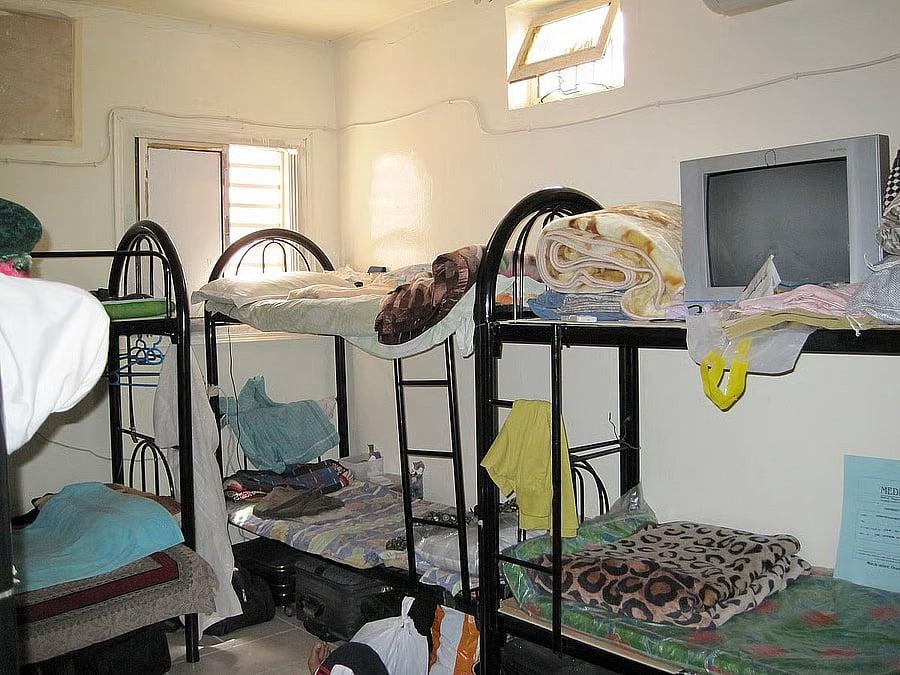
Dubai’s new shared-housing regulations could increase the cost of some bedspaces and shared accommodation as landlords face stricter occupancy limits, space requirements and compliance costs.
The framework brings shared accommodation under a formal regulatory system, with permitted areas and requirements covering the number of occupants, available space, facilities and safety standards. Existing operators have until September 2027 to comply.
Property experts say the impact could be mixed. Fewer people may be allowed to occupy individual apartments, potentially increasing the price paid by each resident. At the same time, some informal shared units outside permitted areas could disappear or return to the conventional rental market, adding some housing supply.
The changes are particularly relevant to lower-income workers and expatriates who depend on shared accommodation to keep housing costs manageable.
Experts say the regulations are unlikely to trigger a broad fall in Dubai rents because they regulate existing accommodation rather than creating new housing supply.